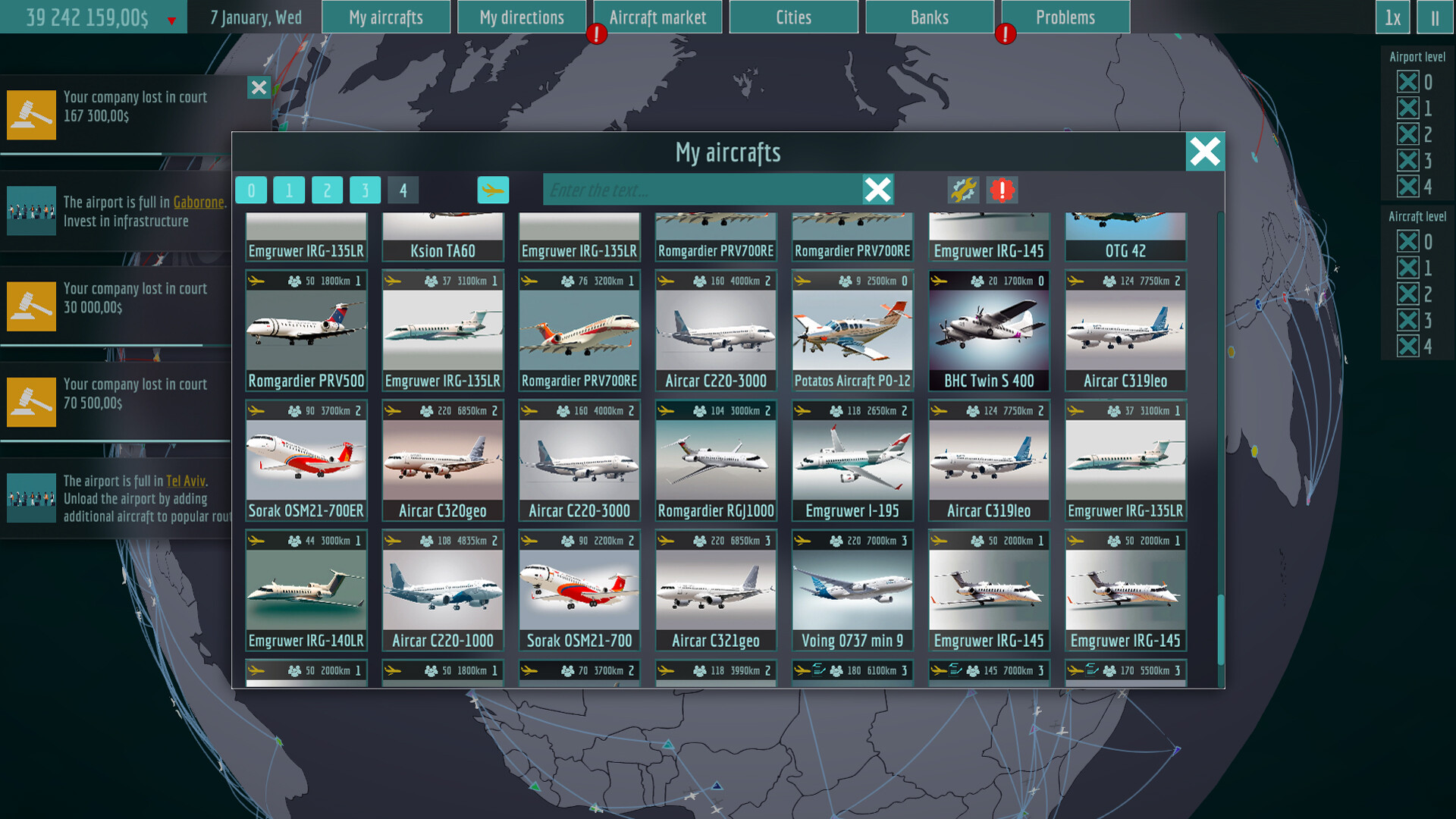
For those committed to flight sims, a well-defined skill rating system makes all the difference https://flytakeair.com/avia-fly. Avia Fly gets this right. Its framework goes beyond win-loss records to measure your actual piloting skill, your actions when things get tense, and your mastery of the aircraft’s systems. The result is a comprehensive profile of your abilities. If you’re flying from the UK, this system gives you a simple, merit-based ladder to climb. You can check your precise standing and recognize what to work on next. It converts casual flying into a organized pursuit where you watch your skills grow.
Understanding the Essential Pillars of Your Avia Fly Rating
Consider your Skill Rating as a thorough report card, not just one number. From my time with the game, I can attest it’s a composite score built from several key areas. The game constantly checks your flight path efficiency, landing precision, fuel management, and how well you adhere to air traffic control instructions. It also scores your performance in different weather, a constant factor for UK virtual pilots. This broad approach means a pilot who operates smoothly, safely, and efficiently every time will surpass someone who just gets by missions with risky moves. The system rewards consistent, smart flying above occasional flashes of luck.
Accuracy Measures: Landing and Navigation
Precision bears a lot of weight. A landing isn’t just about getting on the ground. The game’s systems measure your sink rate, how well you maintain the centreline, and the G-force at touchdown. Navigation efficiency functions the same way, monitoring how closely you adhere to your assigned flight plan and imposing penalties for unnecessary detours. For anyone navigating the crowded virtual airspace around Heathrow or Manchester, this echoes the real need for accuracy. I like how this precision focus builds good habits. The skills you develop would be useful in actual flight training, which makes your progress feel solid and technically real.
Protection and Procedure Adherence
Your dedication to safety and standard procedures constitutes another major pillar. The game monitors your speed restrictions, altitude clearances, and whether you complete your checklists properly. You can achieve a perfect landing, but if you overlooked ATC to do it, your rating will take a hit. This focus promotes a disciplined approach. That discipline is vital, whether you’re in a Cessna above the Scottish Highlands or an Airbus heading across the Channel. It emphasizes that being a good pilot is about discipline and communication just as much as it is about handling the controls. This philosophy aligns with UK aviation culture perfectly.
The way the UK Leaderboard and Regional Scoring Operates
Avia Fly runs regional leaderboards. For UK players, this injects a dose of local rivalry into the mix. Your Skill Rating places you onto a national ladder. You can measure yourself directly against other pilots facing the same iconic British airports and famously changeable weather. I consider this local angle really motivating. It builds a community of pilots who all understand the specific headache of, for example, a crosswind approach into Gatwick’s Runway 27L. The game frequently runs UK-specific events and challenges. Your rating gets assessed in scenarios that feel authentic and close to home, which raises the stakes for virtual aviators based here.
The journey from Novice to Elite: Rating Tiers Unpacked
Your progression in Avia Fly is built on clear tiers, each representing a real leap in skill. Everyone starts as a Novice, getting to grips with the basics. As your rating climbs, you’ll progress through ranks like Proficient, Advanced, and Expert, aiming for the top Elite tier. Each new tier opens up more complex aircraft and tougher routes. You might get long-haul journeys from London to Hong Kong, or intricate short-hop networks across the British Isles. This tiered structure serves as a brilliant motivational tool. It establishes clear, short-term goals on the road to long-term mastery, so every flight session feels like a step toward a concrete achievement.
The importance of the “Expert” and “Elite” Milestones
Hitting the Expert and Elite tiers is a real accomplishment. These levels are for pilots who show more than just technical skill. They show exceptional consistency and the cool-headed ability to handle emergency scenarios without a flaw. An Elite pilot can handle a critical engine failure over the Pennines while preserving perfect composure and executing every procedure. The game usually reserves certain rare aircraft or prestigious virtual airline certifications for these top tiers. In my experience, the push to Elite requires a serious study of aviation theory and relentless, focused practice. That’s what makes the achievement so satisfying and why it earns respect in the community.
Strategies for Improving Your Skill Rating Efficiently
To improve your rating, you require a plan. Just flying a lot isn’t sufficient. My recommendation is to focus on one certain metric each week. Spend seven days exclusively chasing “Butter” landings, even if you need to fly the identical approach at Edinburgh twenty times in a row. The next week, transition to perfecting your fuel calculations for the best efficiency score. Make maximum use of the game’s replay and analytics tools to analyze your flights and identify your weak points. Also, participate in the UK Avia Fly community on forums. You’ll pick up invaluable advice for handling local weather patterns. Remember, slow and deliberate practice focused on quality surpasses mindless quantity every time. That’s the quickest route to a higher rating.
Typical Errors That Can Stagnate Your Rating Progress
Plenty of pilots reach a plateau because they continue to make the same errors without pausing to examine them. One common mistake is prioritising raw speed over correct procedure, which results in penalties that negate any completion bonus. Another is sticking to clear, easy weather, which prevents the system from scoring your adaptability. I’ve also seen players treat communication with ATC as an afterthought, even though it’s a major part of your score. The most subtle trap might be complacency. Once you reach a comfortable tier, following routine, easy routes won’t push your rating any higher. You have to pick harder missions yourself. That tells the system you’re ready for a bigger challenge.
How the Ranking System Boosts Long-Term Gameplay
The true power of Avia Fly’s Skill Rating system is how it maintains you engaged for hundreds of hours. It delivers a constant, objective feedback loop that makes your improvement visible. This converts the game from a series of disconnected flights into a coherent career story. For UK players, chasing a high spot on the national leaderboard turns into a long-term project with real bragging rights. The system also drives balanced matchmaking for co-pilot sessions or competitive events, ensuring fair and exciting encounters. It offers your virtual piloting a sense of purpose and direction that most other games never manage to https://www.gov.uk/government/consultations/consultation-on-the-statutory-levy-on-gambling-operators/consultation-on-the-structure-distribution-and-governance-of-the-statutory-levy-on-gambling-operators deliver.
FAQ
How often is my Skill Rating adjusted in Avia Fly?
Your Skill Rating refreshes practically instantly. As soon as you end a flight, the game evaluates your performance data and updates your rating. Your position on the UK leaderboard may update on a minor delay, generally every few hours. But when you get a major tier promotion, like going from Advanced to Expert, that calculation is done instantly. You’ll receive a notification in the game to acknowledge it.
Does participating on different UK server locations influence my rating?
No, it does not. Your Skill Rating is global and isn’t attached to any single server. If you log in to a server in London, Manchester, or another location in Europe, the game evaluates your performance against the same global standards. The UK leaderboard just organizes and positions every player who has selected their location to the United Kingdom, no matter which server they utilized to connect.
In case of a bad flight, can my rating decrease?
Yes, it can. The Skill Rating is dynamic and goes down as well as up. The system aims to reflect your current displayed skill level. A run of poor performances, notably ones with safety violations or botched landings, will reduce your rating. This keeps the leaderboard fair and accurate, and it encourages you to uphold your standards on every single flight.
Do there exist separate ratings for different aircraft types?
Your general Skill Rating is a combination, but Avia Fly does record your skill with each category of aircraft. Imagine single-engine piston planes, regional jets, and wide-body airliners. Your rating in a Cessna doesn’t directly transfer to an Airbus. Your core skills do transfer, nevertheless, and the game uses your overall rating as a baseline for matchmaking and for accessing new, more complex aircraft to fly.
Is there a thorough analysis of my performance metrics?
Certainly. Within your pilot profile, there’s a detailed analytics section. This divides your score into each core area: landing precision, navigation, fuel efficiency, procedure adherence, and additional areas. It shows your trends over time and points out your strengths and areas for improvement points. I’d advise looking at this after every few flights. It’s the finest resource for planning your practice.
Is the rating system equitable for new players beginning in the UK?
Yes, it’s designed to be equitable. New players begin in safeguarded, lower-stakes matchmaking with simpler challenges. Your rating adjusts more rapidly after each of your early flights, which assists you reach your true level rapidly. You won’t be placed in a session with Elite-tier pilots until your own rating moves to that range. This builds a fair and rewarding learning curve.
Leave a Reply